Motorbike canvas prints
Canvas solves one problem that a framed print cannot, and that's glare. There's no glass in front of it, so there's no window reflected back at you. That's the difference between a picture you can look at and one you have to stand to the side of.

Jump to a section · 3 sections
What arrives
The artwork printed on canvas and stretched over a 2 cm wooden frame, ready to hang out of the box. There's no glass, no separate frame, and nothing to buy afterwards, which is why it's such an easy thing to give somebody: they don't have to do anything with it.
Four sizes
30x40 cm for a shelf or a narrow wall. 40x50 cm as the middle option. 50x70 cm, which is where canvas starts to do the job it is good at. And 60x80 cm, which is a statement, and it needs a wall that can carry one. Note that 50x70 cm is available here and not as a framed print, so if you have measured that gap, this is the format that fills it ready to hang.
What suits the surface, and what does not
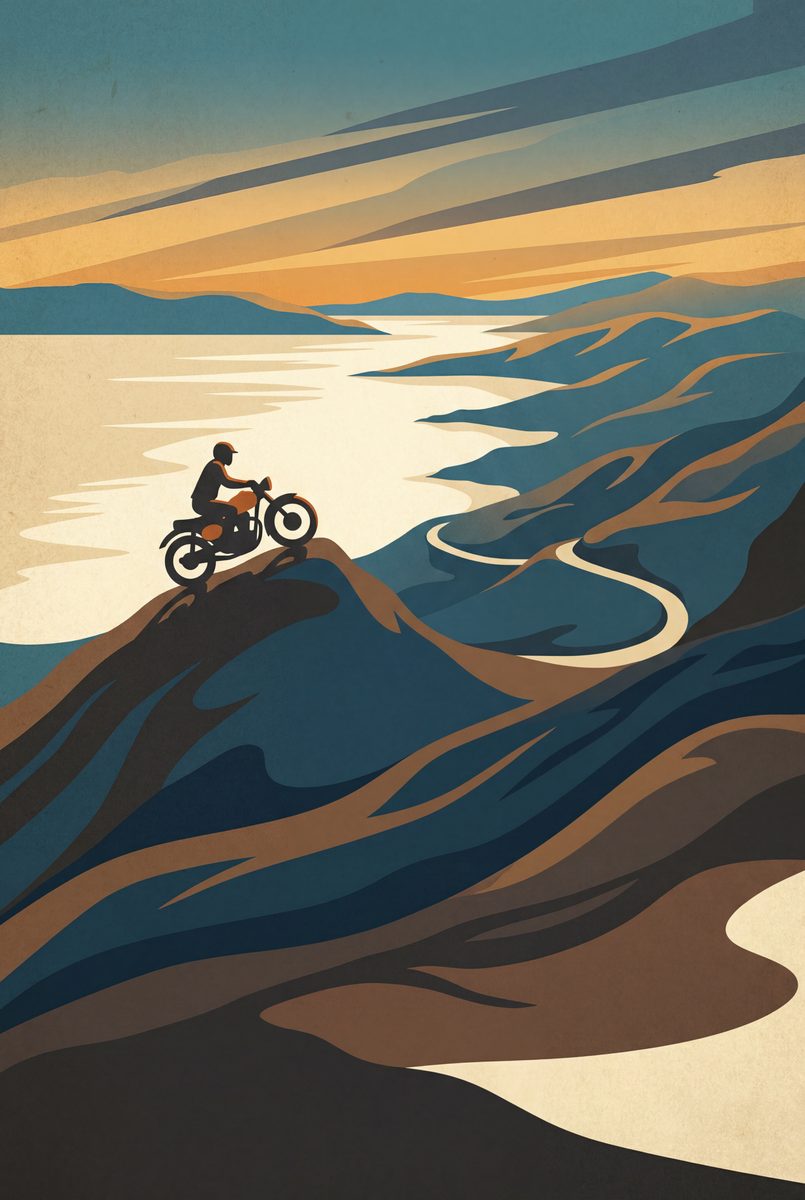
Painterly work belongs here. The road landscapes were made for it, and the oil-painting treatment from the Paint Shop genuinely gains from a woven surface instead of just putting up with it. Bold flat colour, meaning the race-day posters, carries fine.
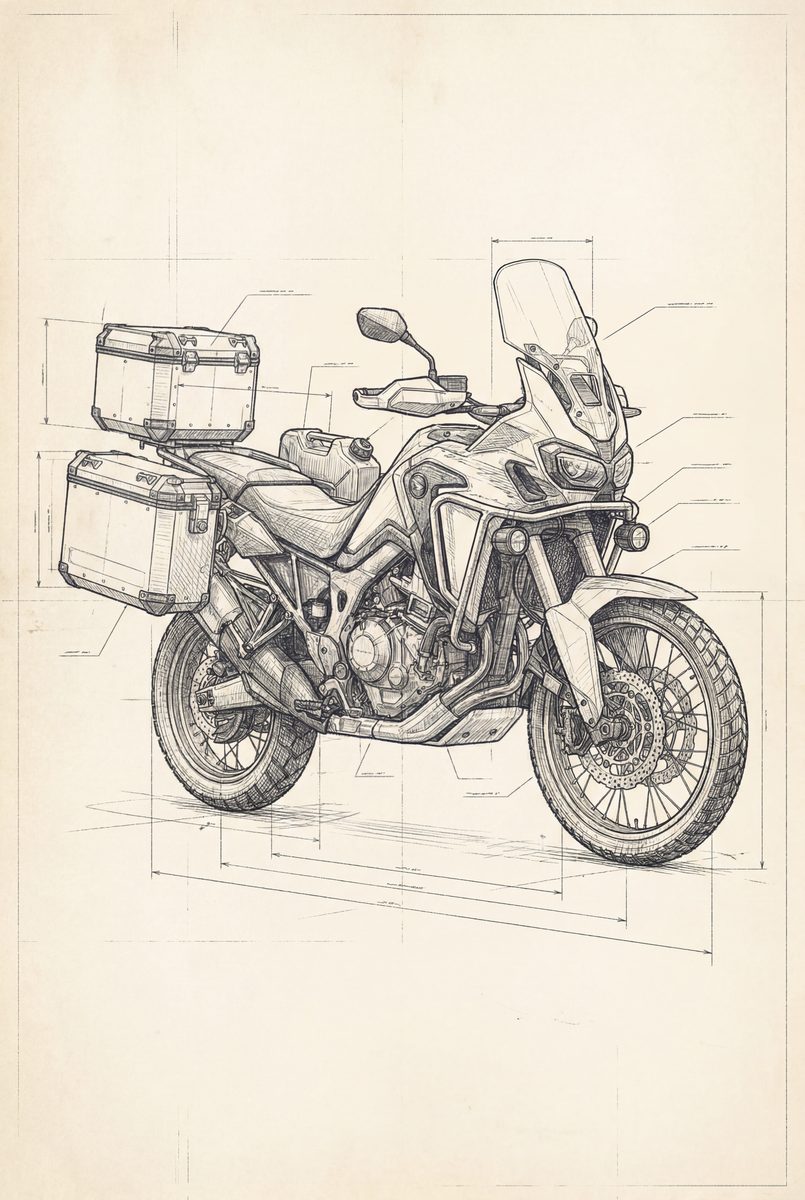
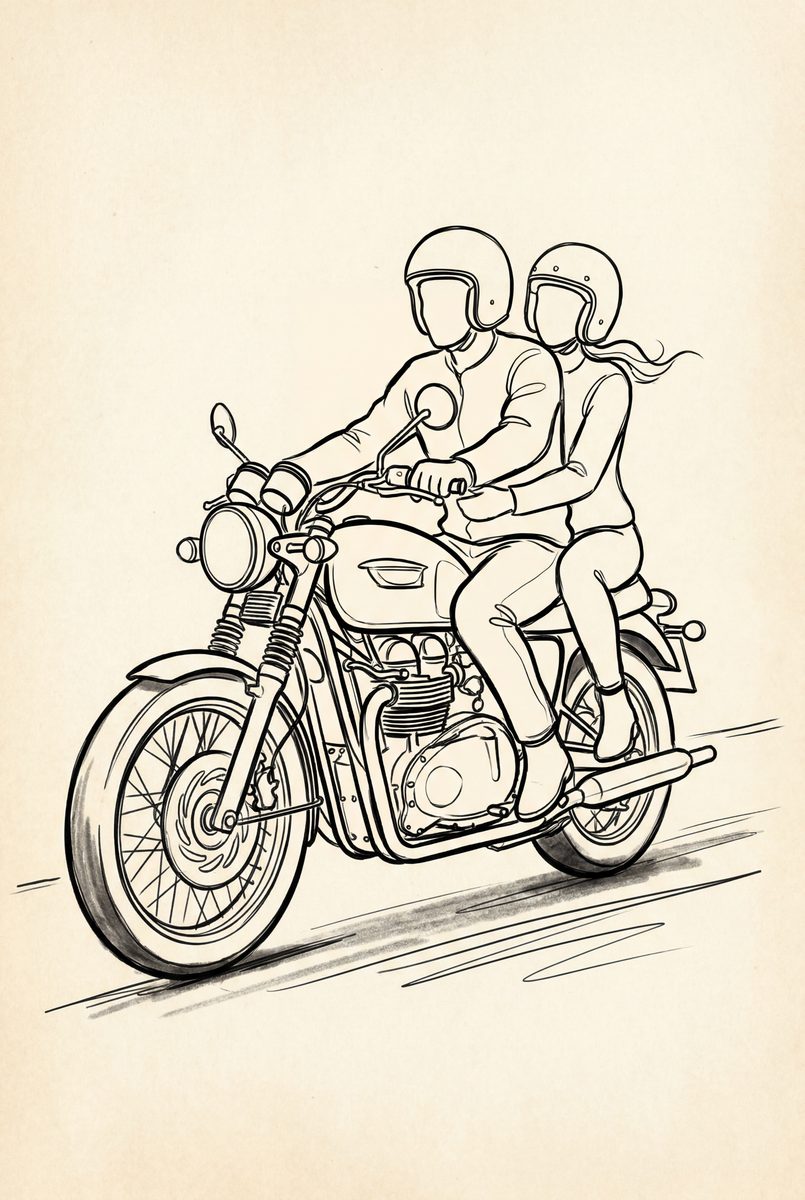
Be clear about the other direction, though. Fine ink line work and the blueprint studies are drawings, and canvas softens them: the weave interrupts a thin line in a way paper doesn't. Those want paper, framed or not. This is the one format choice on the site where the artwork should decide rather than the room.
The sizes and framing guide covers hanging heights, and is 50x70 cm A3 settles the size question if that is what brought you here.
Written by Craig Fearn, Throttlefolio. Last updated .
Questions answered
How are the canvases made?
Printed on canvas and stretched over a 2 cm wooden frame, ready to hang. You don't need glass, a separate frame, or a trip to a framer: it goes straight on the wall.
Which canvas size should I pick?
30x40 cm for a shelf or a small wall, 50x70 cm or 60x80 cm to read across a room. Leave a hand-width of clear wall on every side and measure the gap before ordering, not after.
Canvas or a framed print?
Canvas for painterly work and for bright rooms, because there is no glass to reflect a window. A framed print for fine line work and blueprints, where the weave of a canvas softens a thin line.
Keep reading
- Next The Great Roads series
The roads are real and the posters are not photographs of them. Each one is a composition of a place a rider would recognise, with a single machine in it for scale and no marque, badge or livery anywhere. That is deliberate, and it is why none of them can be the wrong bike.