Bobber Drawing and Motorcycle Art
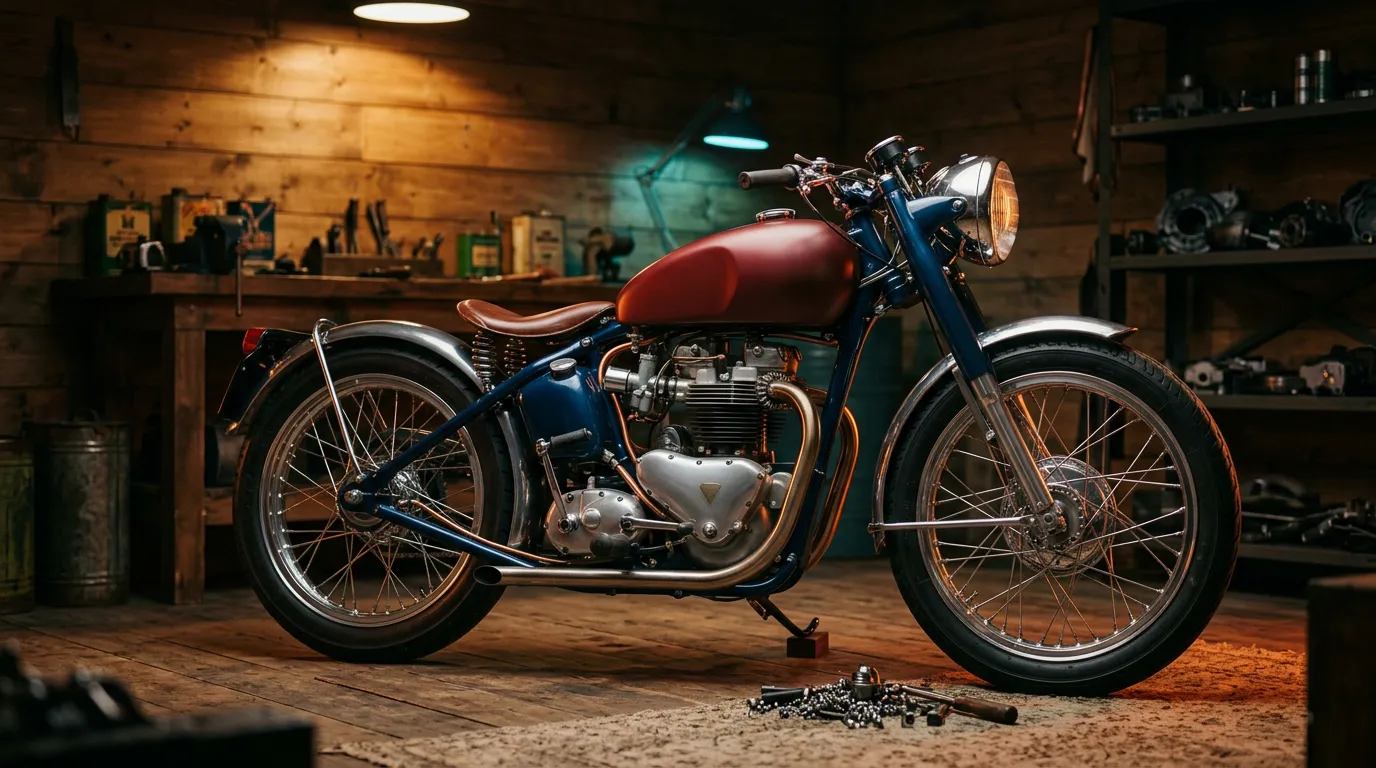
The bobber is subtraction as style. Strip the front fender, bob the rear, drop the stance, lose anything chrome that doesn't make the bike go. What's left is silhouette, and silhouette is what heavy black ink was made for.
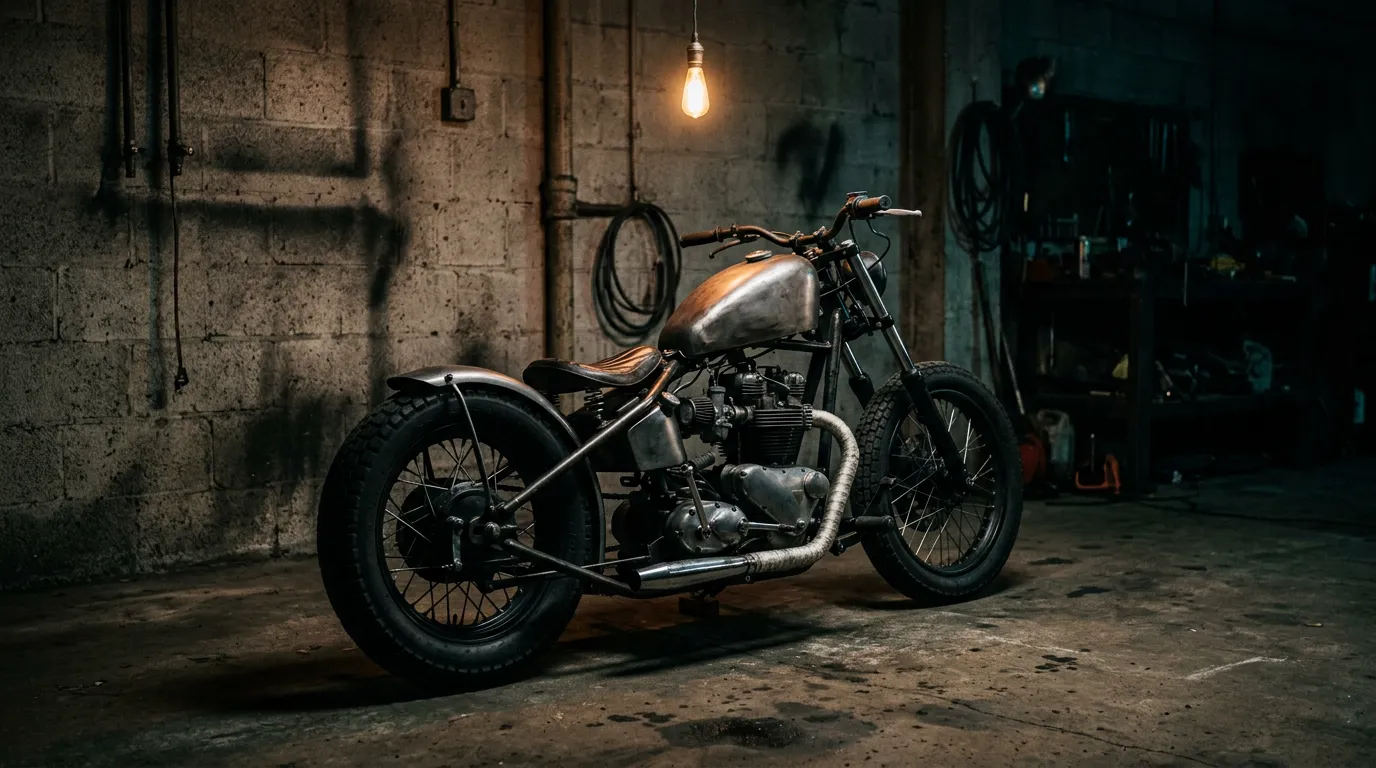
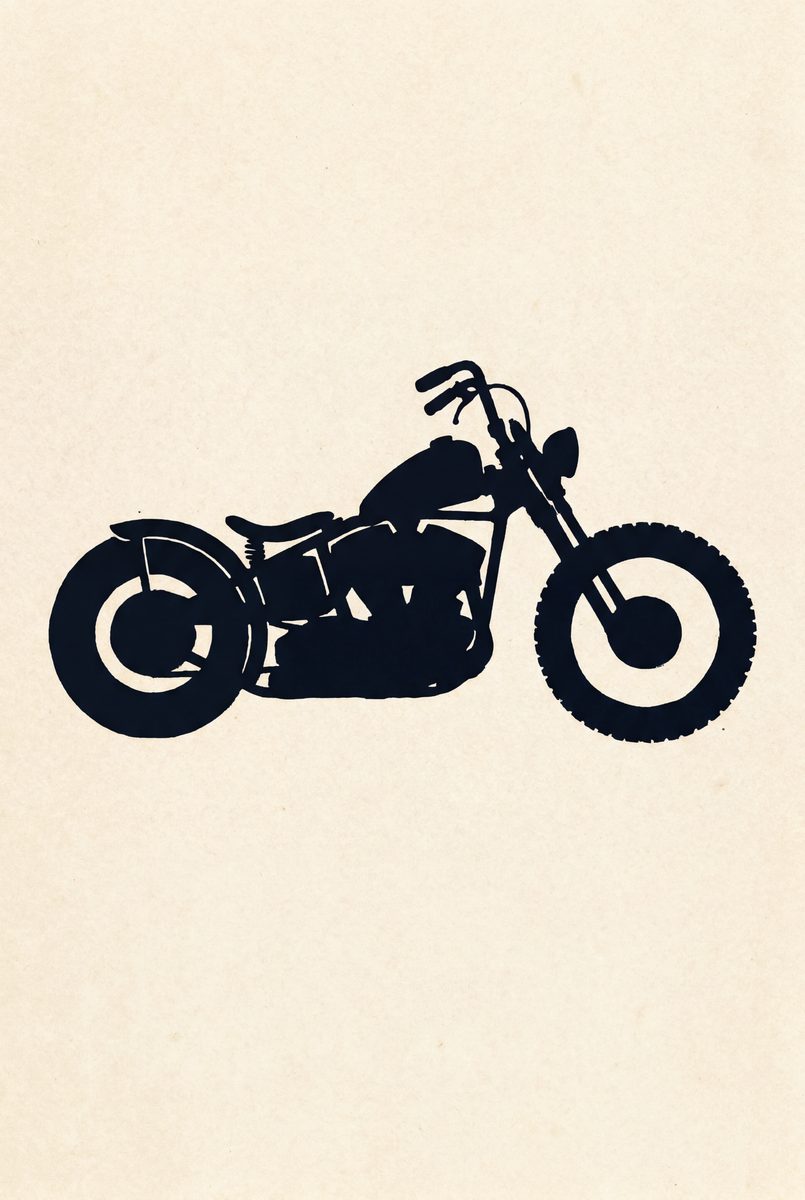
The bobber, cut back to a black ink silhouette:
The Bobber, Ink Silhouette Motorbike Print
Poster · A4, £17.99, free UK delivery
Added. View basket
Almost every drawing problem on a motorcycle comes from clutter: brackets, cables, panels, badges. A bobber has had that argument settled before the artist arrives. There's a frame, a tank, an engine and a seat, and the negative space between them does most of the work. That's why the bobber suits one flat black shape on cream better than any amount of shading would.
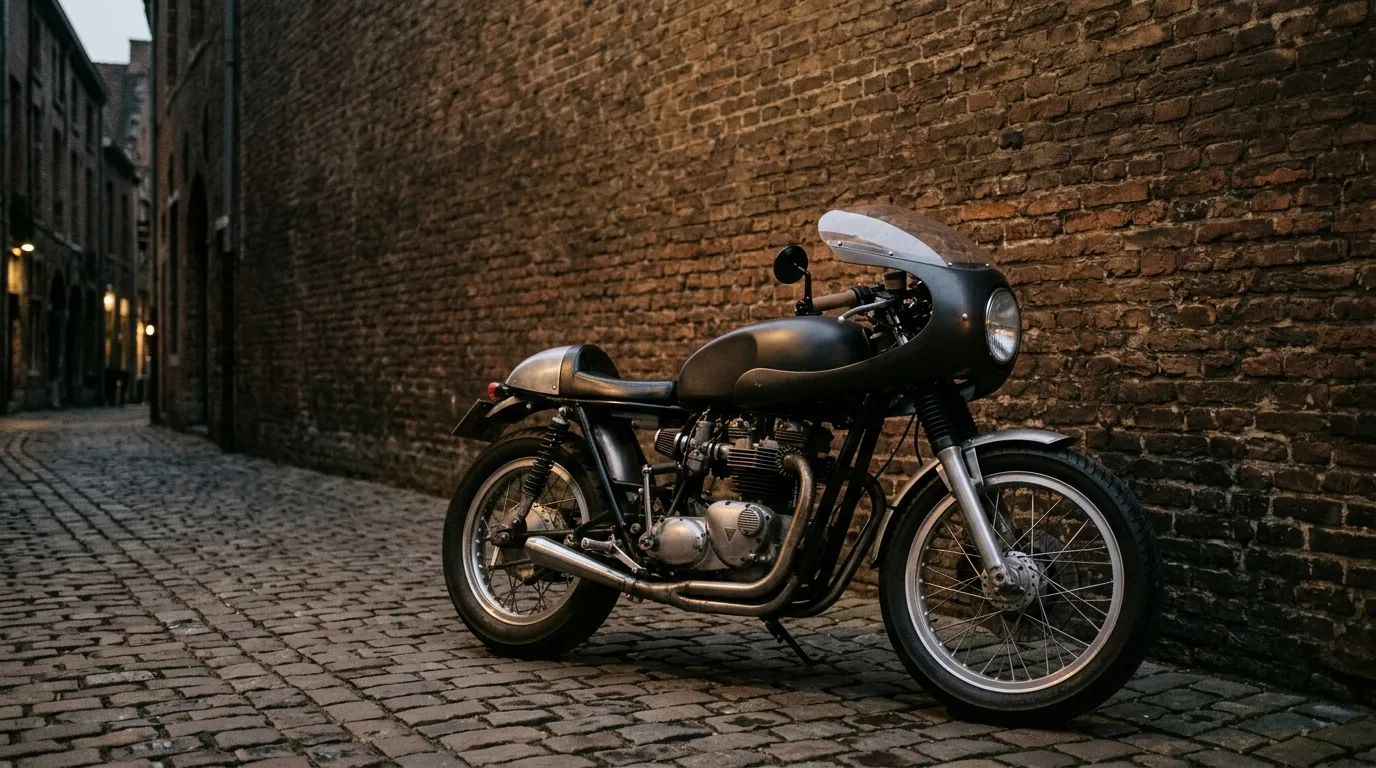
The Bobber - Study is drawn that way: one black shape with intent. It reads across a room and anchors a wall of smaller prints, and it sits well beside the cafe racer and chopper studies as a custom-culture set.
Where the bobber came from
The National Motorcycle Museum's Chopper Story exhibit starts the American custom story in the late 1920s, with cut-downs first and bob-jobs after them. Stripping off what a rider did not need was the whole idea, and once the war was over the bobber took over from the frame-cutting cut-down as the milder way to do it.
The racetrack set the tone. In its write-up of a 1946 Harley bobber, the museum says that, just as in Class C racing, less is more, and that the bike is about what a WR dirt-track racer would look like, made legal for the road.
Paint and personality came next. Ken Howard, known as Von Dutch, began reworking his Indian Scout around 1946 with a smaller tank, upswept pipes and higher bars, and he painted and pinstriped the fuel tank himself, one of his best skills by the museum's account. Others may have been building bob-jobs that way in 1946, the museum says, but the evidence points to Howard as a spark for a revolution in motorcycle style.
Choosing the art
A bobber is mostly shape, so the picture should be mostly shape too. Heavy black ink on cream is the obvious pick, and it holds up from across a room. If yours has a lot of paint, a vintage poster style keeps the colour and the flake. If yours wears flat paint or a weathered finish, that draws well in ink too.
One study on its own looks good. Two or three from the custom-bike family together, bobber, cafe racer and chopper in matching frames, look better.
Yours won't look like the archetype, because bobbers rarely do. Send a photo through the Paint Shop and you'll get that specific bike back as heavy ink, a blueprint or a vintage poster, previewed free first. If you want the term and not the picture, what is a bobber covers it.
Questions answered
Why does a bobber suit heavy ink rather than a painting?
Because the shape has already been simplified by whoever built it. There is very little clutter left to render, so the drawing lives in the outline and the gaps, and a flat black shape carries that better than shading does.
Can you make my bobber into art?
Yes. Upload a photo to the Paint Shop and preview it free in eight styles. Heavy ink is the obvious one for a bobber, though the blueprint treatment surprises people on a hardtail.
What is a bobber, exactly?
That question has its own page: what is a bobber motorcycle, which also covers where the line falls between a bobber and a chopper.
Other bike styles
Keep reading
- Next Chopper
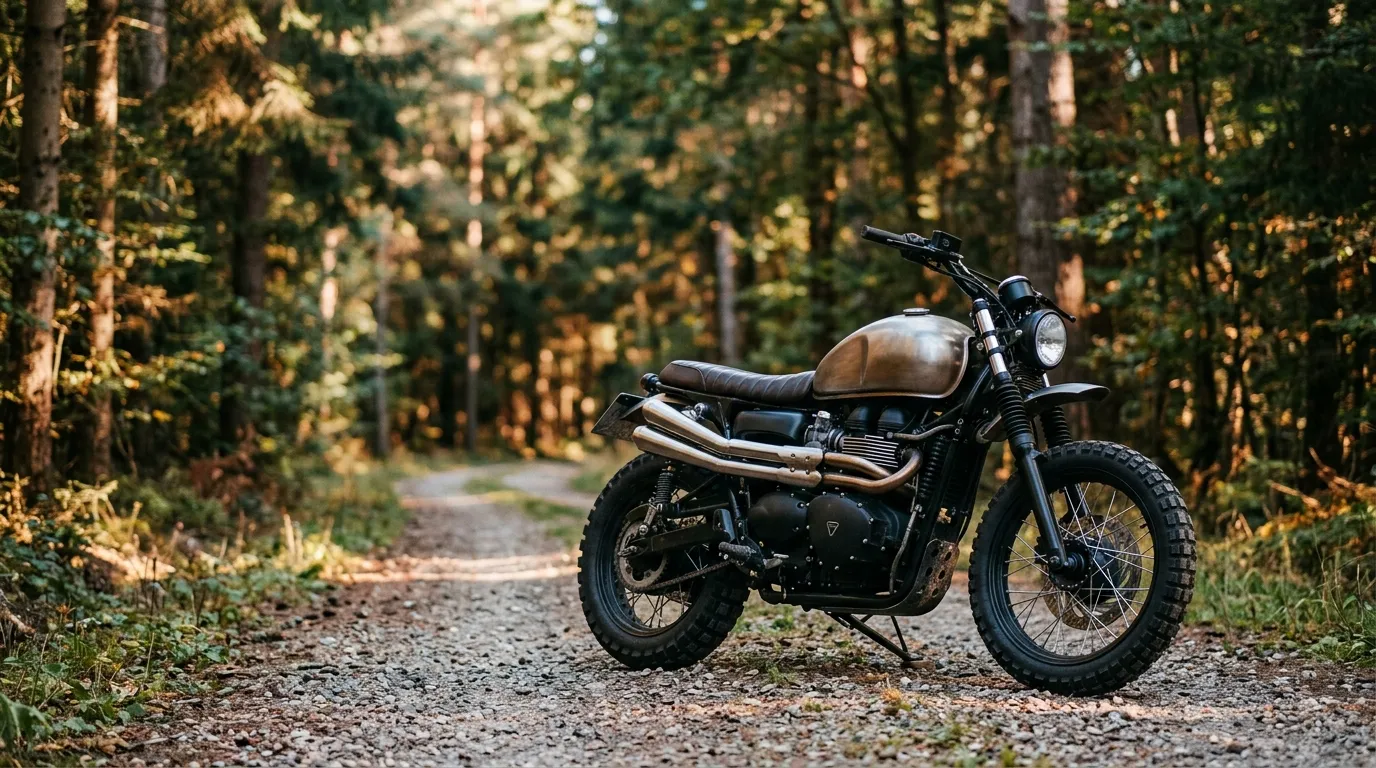
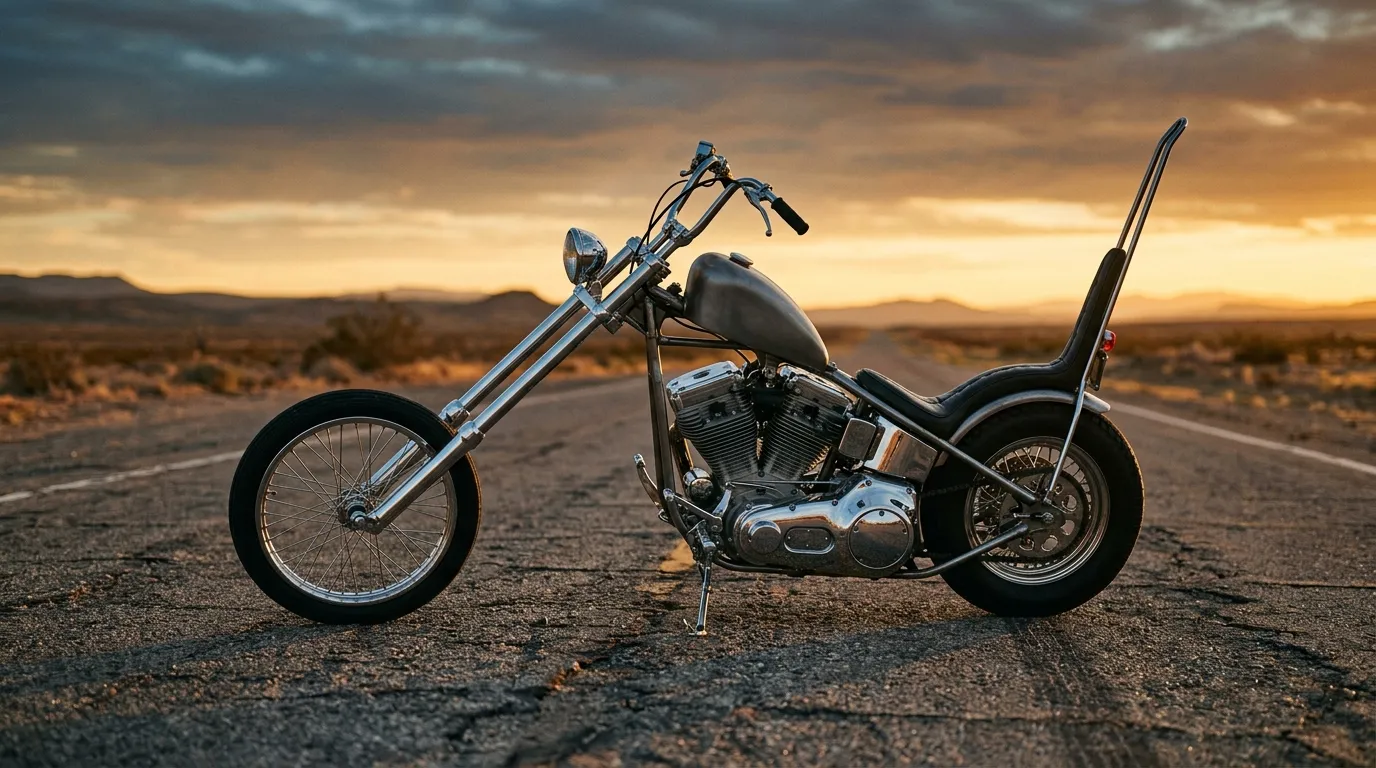
No motorcycle announces itself like a chopper. Raked forks reaching into the next county, a stretched frame, a sissy bar against the sky. It was never about practicality. It was about making the machine an autobiography.
Also in your bike
All 13 in your bike