Adventure Bike Drawing and Art
The adventure bike is the one with a passport: tall suspension, a big tank, panniers packed for weather that hasn't been invented yet. ADV riders measure their machines in miles and mud rather than chrome, and the art that suits them is technical and annotated, like the trip spreadsheets they secretly love.
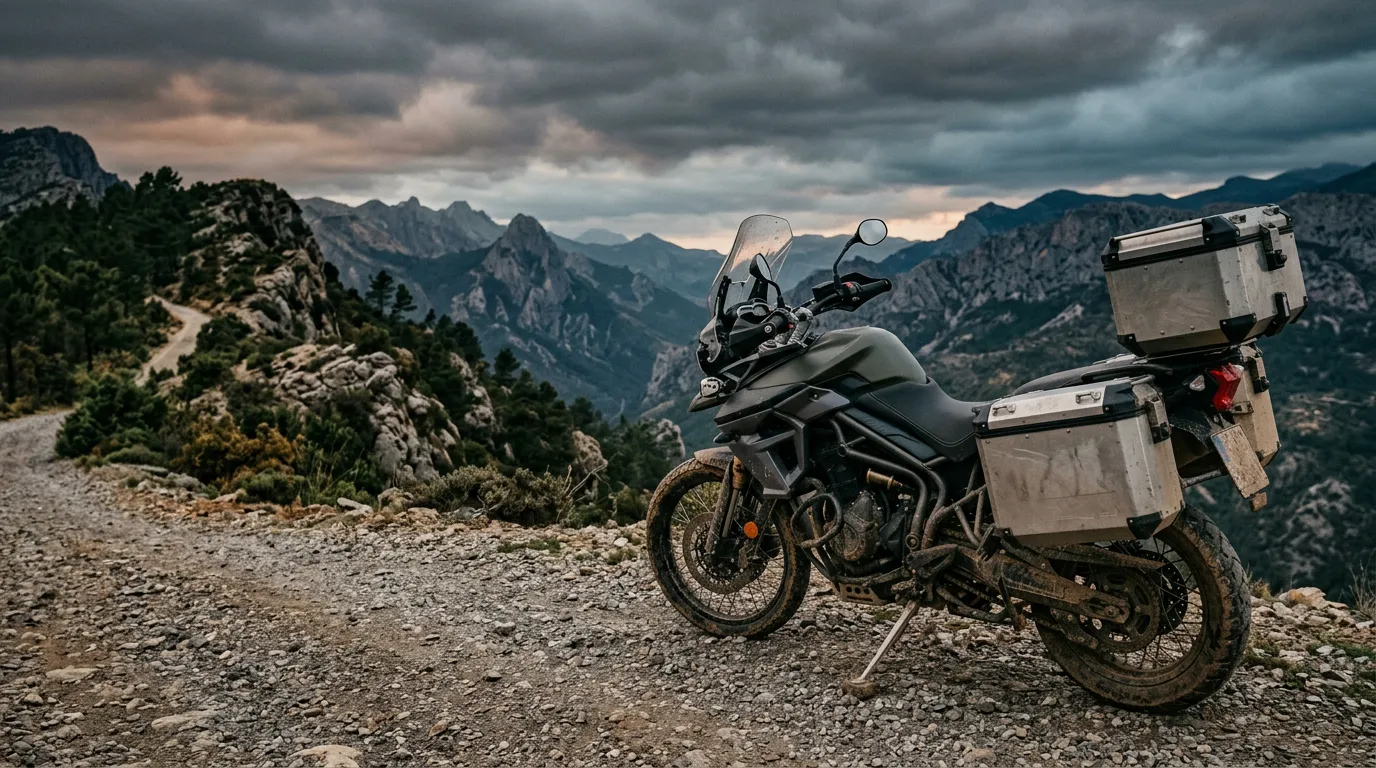
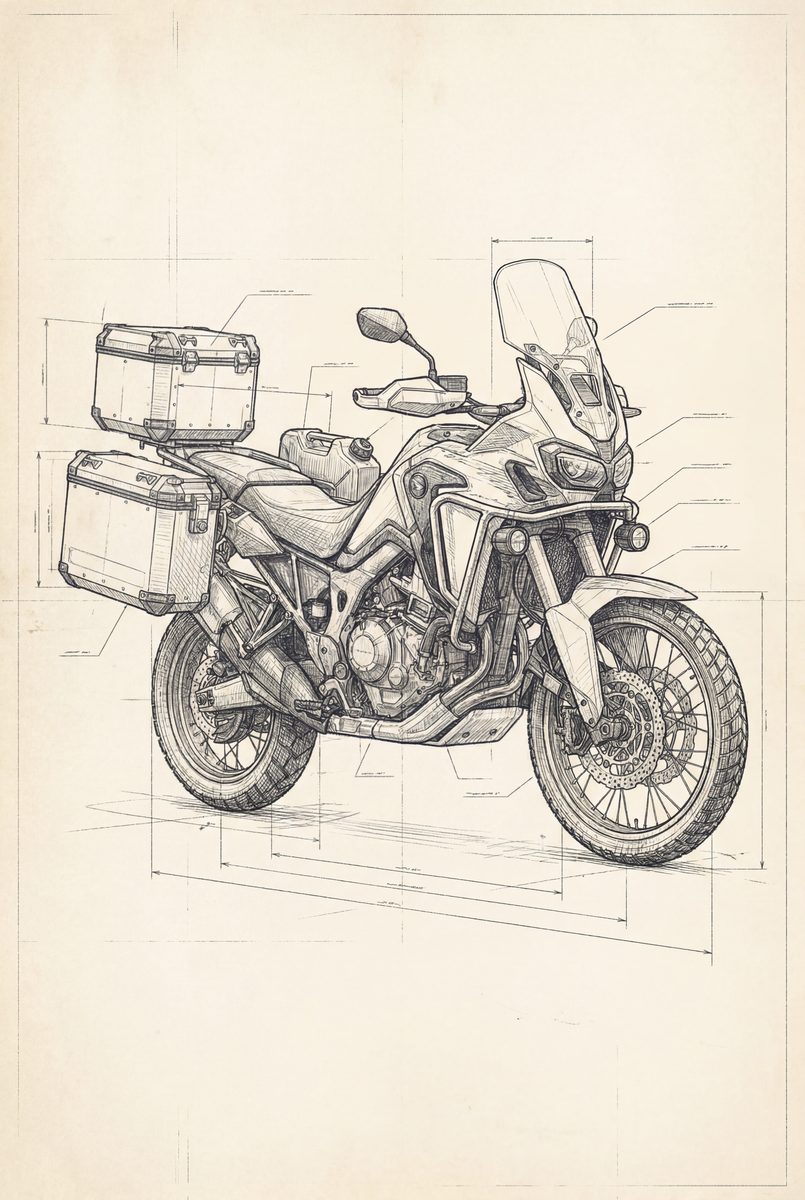
A fully loaded adventure bike, drawn in fine technical line:
The Adventure, Technical Line Motorbike Print
Poster · A4, £17.99, free UK delivery
Added. View basket
An adventure bike is the easiest motorcycle on this site to draw as a plan, because it already looks like one. Everything on it is bolted on for a reason and nothing is hidden. Crash bars, tank, screen, luggage, the lot. Draw it as a fine technical line study and it reads as a record of a trip, not decoration.
The Adventure - Study does exactly that: the fully loaded archetype in fine line, panniers, spare fuel and ten thousand miles of margin. It pairs naturally with the road posters, since Applecross, Hardknott and the NC500 are the rides these machines exist for, and together they make a wall that says where you've been.
Where the adventure bike came from
The whole idea grew out of a race. The first Paris-Dakar rally left Paris on 26 December 1978 and reached Dakar, the capital of Senegal, on 14 January 1979. It was a journey of about 10,000 kilometres, and 90 of the 182 starters rode motorcycles. Cyril Neveu won the bike class on a Yamaha without winning a single stage, and Gilles Comte, also on a Yamaha, came second, according to the organiser's own history of the rally.
In the 1980s the bike class became a two-horse race between Honda and BMW's R 80 G/S, as Goodwood's look at the Dakar bikes puts it. Hubert Auriol won on the G/S in 1981, and Gaston Rahier won on one in 1984 and again in 1985.
Choosing the art
Think about what the print is for. If it's going in a hallway or a garage, a fine line study works well because the eye can wander round it, and the panniers and crash bars give it plenty to find. If it's for the rider who has done the miles, their own bike in blueprint style is the one to go for, because a loaded bike with its stickers and scuffs is a record of where it has been. Blueprint here just means a technical drawing in fine line, like an engineer's plan.
Roads sit well beside it. A Scottish route poster next to the bike study makes a pair: the machine on one side and the places it was built for on the other. Pick one size for both so the frames line up.
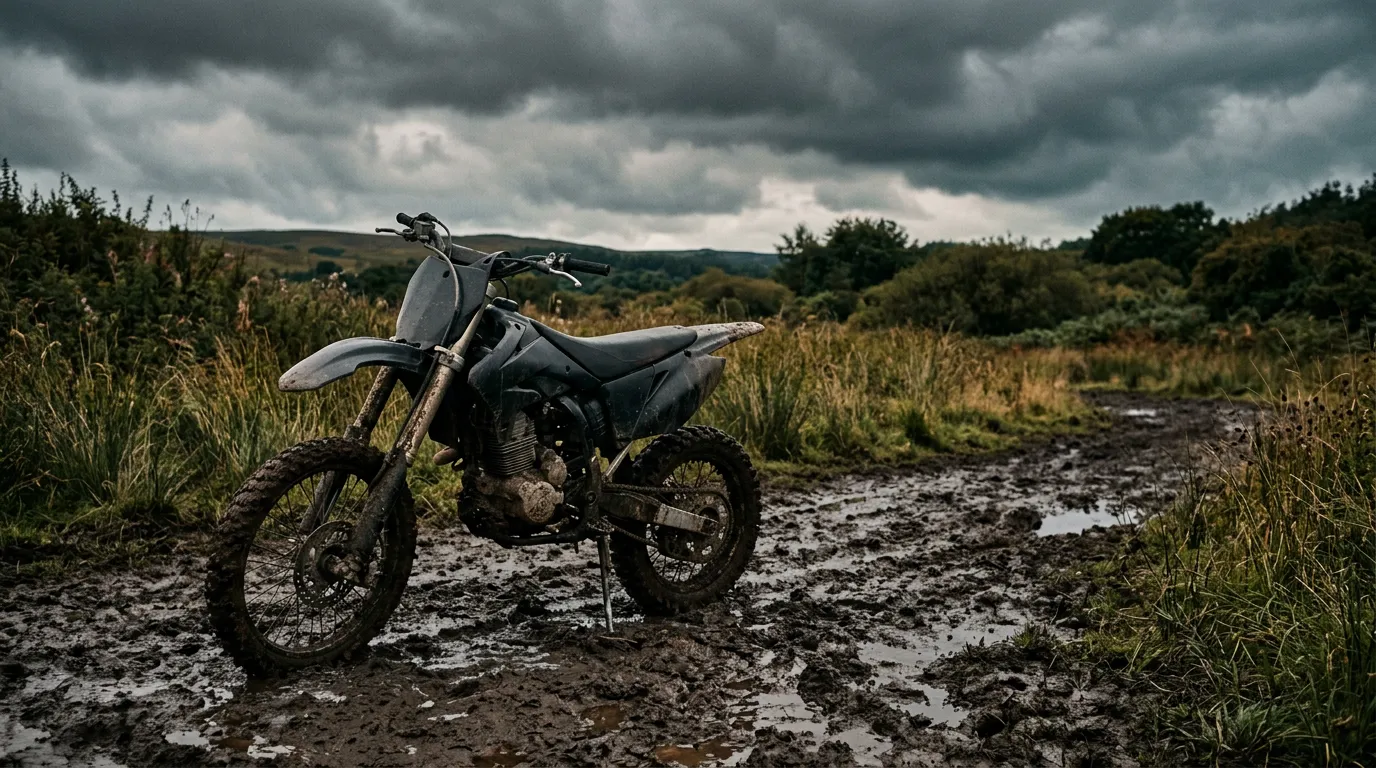
For the bike that actually did the miles, sticker-scarred panniers and all, the Paint Shop turns your photo into blueprint, ink or poster art with a free preview. The scrambler page covers where the off-road thread started, and tourer covers the tarmac end of the same argument.
Questions answered
What art suits an adventure rider?
The Adventure blueprint study, a Great Roads poster of a route they have ridden, or their own loaded bike from the Paint Shop - the three combine into a natural wall set.
Can the Paint Shop handle luggage and accessories?
Yes - it preserves the bike exactly as photographed, panniers, stickers and all. That is rather the point.
Other bike styles
Keep reading
- Next Sportbike
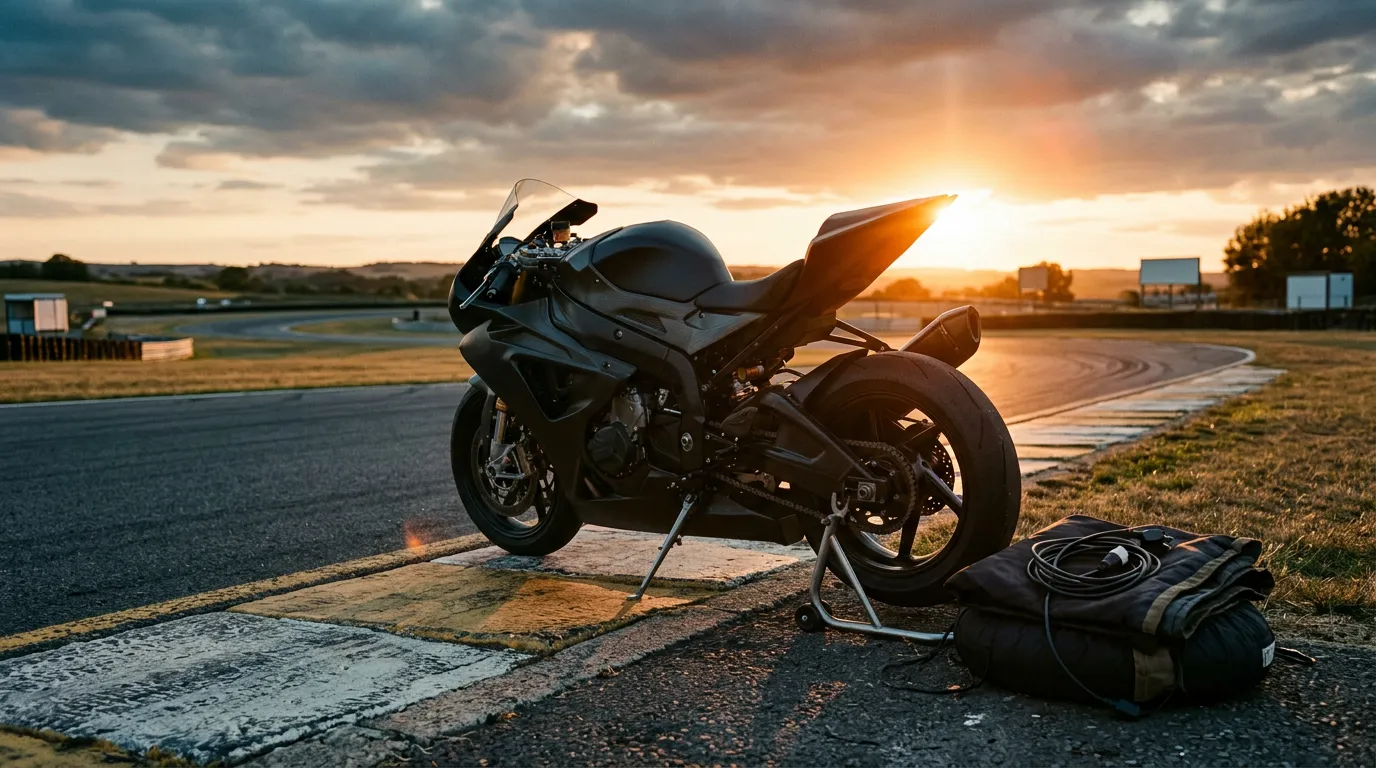
A sportbike is built around one number: the lap time. The tuck, the fairing, the wing: all of it is there to make that number smaller. The trouble with most sportbike posters is that they're manufacturer marketing shots in a livery that dates within two seasons.
Also in your bike
All 13 in your bike